
Wolf grill repair done right

We inspect the full system before recommending service, so you get an accurate diagnosis instead of guesswork. We work on built-in outdoor kitchen grills and standalone Wolf systems, with a focus on safe operation, dependable ignition, and even cooking.

Common issues include burners that do not light, weak or uneven flames, ignition components that click without lighting, heat plate deterioration, grease-related airflow restrictions, and corrosion from outdoor exposure.

Schedule Wolf Repair

Burner repair

We inspect burner condition, flame pattern, airflow, and corrosion to decide whether cleaning, restoration, or replacement is the best solution.

Call Now

Ignition service

If your Wolf grill clicks but will not light, we troubleshoot igniters, electrodes, wiring, moisture damage, and grease contamination.

Call Now

Heat distribution

We address hot and cold zones, flare-ups, low heat output, and temperature inconsistency caused by blocked burners, worn heat plates, or restricted gas flow.

Call Now
Inspection

What our service covers

Every Wolf repair visit starts with a complete system evaluation so we can find the root cause and recommend the right next step.

Diagnostic inspection

Before recommending repair, we inspect burners, ignition components, heat plates, gas flow, grease buildup, and visible corrosion.


Coastal wear review

Homes near Newport Beach, Laguna Beach, Dana Point, and Huntington Beach often experience faster corrosion and ignition issues from salt air exposure.


Repair vs replace

Repair is often the better value when the grill structure is still solid and the failing components are isolated rather than system-wide.


Preventative maintenance

Routine professional cleaning helps reduce grease buildup, protect burners, improve airflow, and extend the life of your Wolf grill.

Why It Matters

Professional Wolf repair protects performance

Luxury grills need correct diagnosis and proper component handling. DIY repairs often lead to the wrong parts being replaced, recurring ignition problems, and avoidable safety risks.

✔

Safer operation

We identify gas flow issues, ignition faults, and grease-related hazards that affect safe use.

✔

Better cooking results

Restoring burner performance and heat distribution improves preheat time, flame consistency, and cooking control.
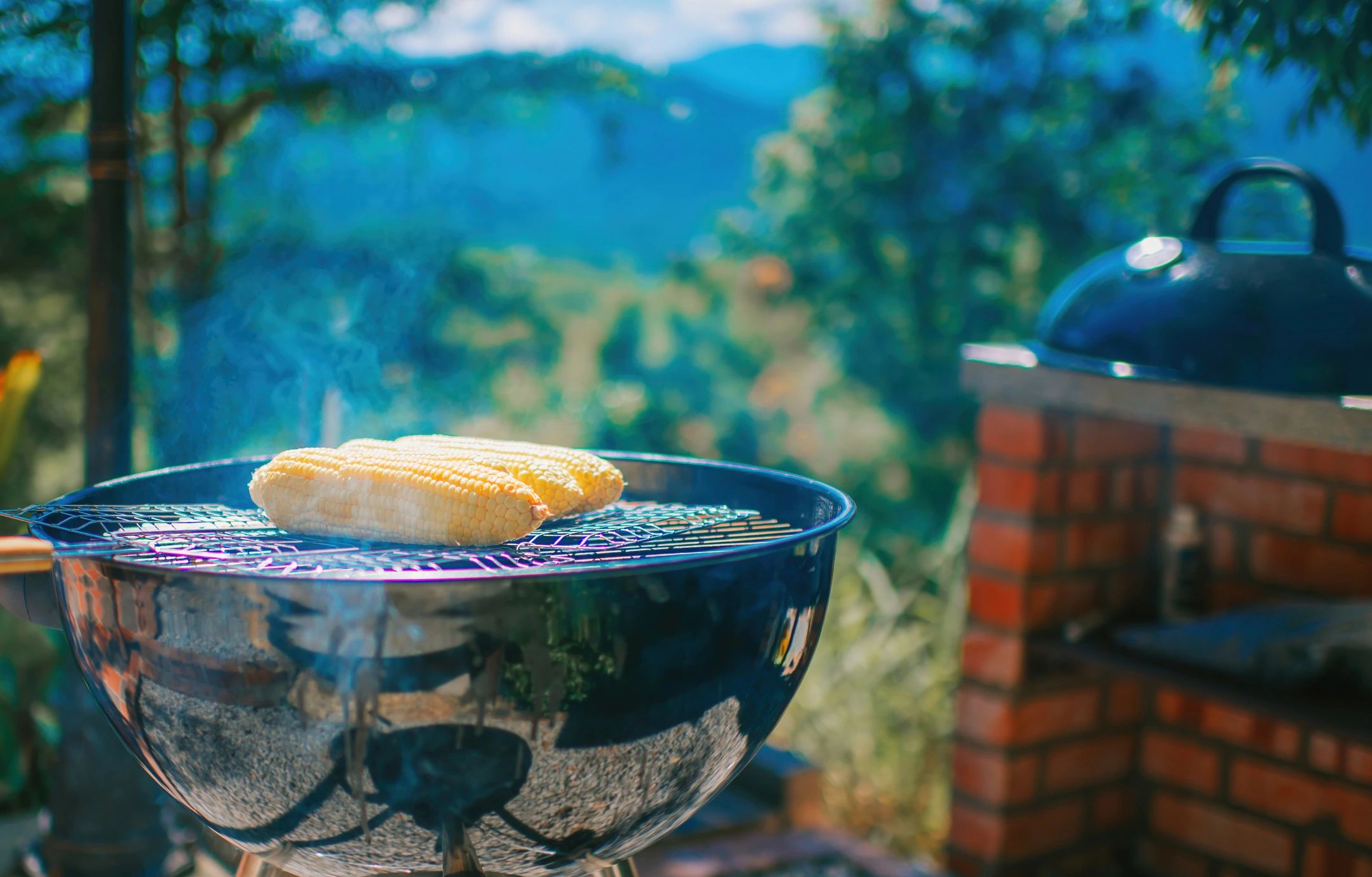
Outdoor barbecue grill in a residential setting

A Wolf outdoor grill is usually the centerpiece of a high-end Orange County outdoor kitchen, and owners expect it to look and work like the Wolf range indoors. When it does not, the fix has to be done carefully. We handle Wolf grills at the home, and we know how their ignition and infrared systems differ from a typical tube-burner grill.

Wolf, Sub-Zero and the outdoor grill

Wolf is part of the Sub-Zero Group, which is headquartered in Madison, Wisconsin. Sub-Zero acquired the residential side of Wolf in 2000, bringing the brand's professional-style ranges, ovens and cooktops into homes.

The outdoor grills come in 36, 42 and 54 inch widths. On the 42-inch model, Wolf lists independently controlled burners of 25,000 BTU each, a 25,000 BTU infrared sear zone, and a 16,000 BTU infrared rotisserie burner. Ceramic briquettes add radiant heat. Construction is all-weather stainless steel with a double-wall hood, stainless burner grates and a warming rack, and an optional griddle plate fits in place of a grate. The grills can be built in or set on a cart.

Wolf has long been associated with commercial kitchens, and the outdoor grill follows the same idea: heavy stainless, separately controlled burners, and infrared heat for searing. That also means the grill has more working parts than a basic gas grill, and each one can be serviced on its own.

Ignition and lighting on a Wolf

This is the most important difference. Wolf uses electric hot surface igniters rather than a spark electrode, so there is no pilot light and no spark click. Instead you hear and see a glowing element. Lighting on the 42-inch model is two halogen lights over the cooking surface, plus LED-lit red control knobs.

Typical Wolf grill faults

Because the sear zone and rotisserie burner are separate infrared burners, a fault in one does not always affect the others. Owners often say the grill works except for the sear zone, and that kind of report helps us narrow it down before we arrive.

Repair on site

We start by watching the ignition sequence. With hot surface igniters, the length of time the element glows and whether the burner lights tells us if the igniter, the gas supply or the burner is at fault. We then test gas pressure, check the valves and swap the failed component. Then we run the grill, including the sear zone and rotisserie burner, to confirm everything holds a steady flame. Read more about repair.

One note on products: stainless on a Wolf should not be scrubbed with abrasive pads or harsh chemicals, which leave scratches and cloudy patches that show in sunlight. We use cleaners and cloths suited to the finish, and we keep cleaner away from the igniters and the infrared surfaces.

Cleaning a Wolf

We remove the grates, briquettes and burners, scrape and degrease the firebox, clear the drip path, and clean the infrared burner surfaces carefully since they are sensitive to residue. Stainless is degreased and finished with the grain. Our cleaning page describes the teardown further.

Restoring a Wolf

If the grill has been running poorly for a while, restoration brings it back: new igniters, burners, briquettes where needed, working lights and rotisserie, and refinished stainless. Cleaning keeps a sound grill sound. Restoration deals with worn-out parts. See restoration and the gallery.

Built-in or on a cart

Most Wolf grills we see are built into islands, where the surround, ventilation and access matter. Cart-mounted units are easier to reach. To care for either: brush the grates while warm, keep the briquettes and burners clear of grease, empty the drip tray, and cover the grill. For island projects, see outdoor kitchens.

Wolf owners often have the grill set in a larger kitchen with a side burner, refrigerator or sink nearby. We work around those and leave the surrounding area clean, so the grill is ready to cook on when we leave.

Serving all of Orange County

We service Wolf grills in Anaheim Hills, Santa Ana, Orange, Tustin, Yorba Linda, Mission Viejo, Laguna Niguel and Brea, and across the county. Start with the instant quote page.

Explore

More from BBQ Restorations

Orange County

Ready when you are

Send two photos and a few details, or call or text us.

Call / text Instant quote