Why shared grills wear differently
A grill in a private backyard is used by one household and cleaned when someone remembers. A community grill is used by many people, often on busy weekends, and seldom has a single person responsible for its upkeep. Grease accumulates quickly, igniters are pressed repeatedly, knobs are turned by hands that have never used that model, and covers may or may not go back on. These patterns make a structured maintenance schedule far more valuable than occasional reaction to complaints.
A typical service visit at a community amenity
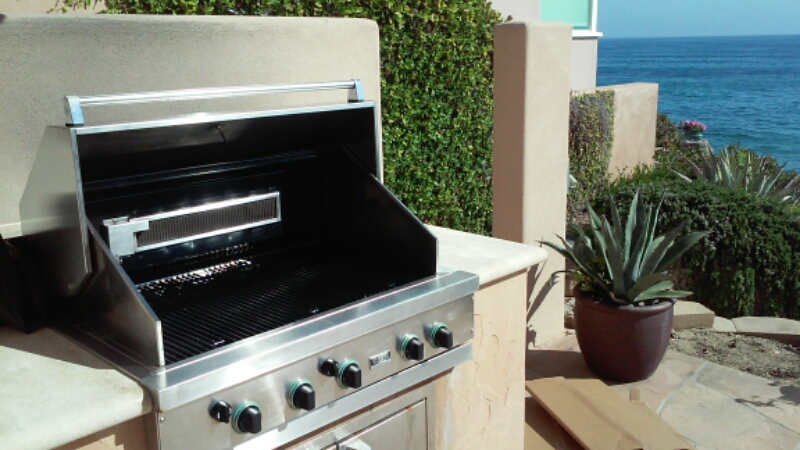
On each visit, the technician inspects every grill in the area, then cleans the grids, burners, trays and cooking cavity. Ignition is tested on each burner, flame quality is observed, and gas connections are checked visually for obvious wear. Findings are written up so a manager or board can see what was done and what needs follow-up.
- Visible grease and carbon levels on each unit
- Ignition response and burner flame pattern
- Condition of knobs, hoods, hinges and stainless surfaces
- Grease tray and drip path condition
Planning intervals and handling issues
How often to schedule depends on how heavily the grills are used. Heavily used amenities in larger complexes benefit from more frequent attention, while smaller courtyards may need less. When a unit develops a fault, BBQ repair can be arranged as a separate step, and heavily neglected equipment may call for BBQ restoration before a maintenance routine begins. Regular BBQ cleaning is then the backbone of the plan.
Beyond the grill itself
Some associations also manage full outdoor kitchens with side burners and prep areas, which our outdoor kitchens page discusses. Boards in the city of Orange can look at BBQ repair in Orange for a local example of the work.
Explore
More from BBQ Restorations
Orange County
Ready when you are
Send two photos and a few details, or call or text us.